
Coloring for mental health is one of the most accessible, evidence-backed wellness tools available today — and most people completely underestimate it.
If you think coloring is just a childhood activity or a way to pass time, this post will change your perspective entirely. From reducing clinical anxiety and supporting ADHD management to building daily mindfulness and emotional regulation, coloring delivers genuine, measurable mental health benefits that no app, supplement, or expensive therapy tool can replicate as simply or affordably.
In this guide we cover the full science of why coloring is good for your mental health, how the 3-3-3 rule for anxiety connects to coloring practice, whether coloring genuinely helps with ADHD, and exactly which pages to start with for maximum therapeutic benefit.
Why Coloring Is Good for Your Mental Health
Coloring for mental health works because of what happens in your brain the moment you pick up a pencil and begin filling a design.
The prefrontal cortex — the part of your brain responsible for logical thinking, planning, and problem-solving — activates during coloring. At the same time, the amygdala — your brain’s fear and stress center — quiets down. This neurological shift is the same mechanism that underlies formal mindfulness meditation, but coloring achieves it through a concrete, tactile activity rather than the abstract practice of “clearing your mind.”
For many people, especially those who struggle with traditional meditation, coloring for mental health is far more accessible. You don’t have to sit still with no focus. You don’t have to empty your thoughts. You simply color — and your nervous system does the rest.
Here are the core mental health benefits coloring delivers:
Stress and Anxiety Reduction
Multiple peer-reviewed studies have demonstrated that adult coloring significantly reduces self-reported anxiety and stress. A 2005 study by psychologist Dr. Carl Marcinak found that coloring mandalas specifically reduced anxiety more effectively than free-form drawing or coloring simple geometric shapes.
The reason is focus. When you color an intricate design, your attention narrows to the task in front of you — which colors to choose, which section to fill next, how much pressure to apply. This narrowed focus naturally crowds out the ruminating, catastrophizing thought patterns that fuel anxiety.
Coloring for mental health essentially gives anxious minds something constructive to do — a focused task that is engaging enough to hold attention but gentle enough not to create additional stress.
Emotional Regulation
Coloring creates a safe, low-pressure space to process and release difficult emotions without requiring words, explanation, or confrontation. The repetitive, rhythmic motion of coloring — similar to knitting, drawing, or other repetitive crafts — activates the parasympathetic nervous system, which is responsible for the body’s “rest and digest” response.
For children and adults alike, regular coloring for mental health builds the emotional regulation capacity that makes difficult feelings more manageable over time.
Improved Sleep Quality
One of the most commonly reported benefits of coloring for mental health is better sleep. Evening coloring sessions — especially when they replace screen time before bed — help the brain transition from active, stimulated wakefulness into the calmer state needed for quality sleep.
Blue light from screens suppresses melatonin production and keeps the brain in an alert state. Coloring under warm lamp light does the opposite — it occupies the hands and mind with a calm, focused task that gradually winds the nervous system down toward sleep readiness.
Mindfulness Without Meditation
For the millions of people who want the benefits of mindfulness but find formal meditation frustrating or inaccessible, coloring for mental health provides a natural alternative.
Mindfulness is simply the practice of bringing full, non-judgmental attention to the present moment. Coloring achieves this organically — when you’re focused on which shade of blue to layer next, you are, by definition, not ruminating about yesterday or worrying about tomorrow.
The Mindful Pattern Coloring Pages collection at ColoringPages4All was designed specifically with this in mind — intricate, calming geometric and mandala-inspired patterns that draw the mind into a deeply present, meditative focus with every session.
Building a Sense of Accomplishment
Depression and low mood frequently come with a crushing sense of inability — the feeling that nothing gets finished, nothing improves, and nothing is worth starting. Completing a coloring page, however simple, directly counters this pattern.
Every finished page is tangible evidence of focus, creativity, and follow-through. Over time, a growing collection of completed coloring pages becomes a physical record of capability and effort — something genuinely valuable for anyone managing depression or low self-worth.
What Is the 3-3-3 Rule for Anxiety?
The 3-3-3 rule for anxiety is a simple grounding technique used in cognitive behavioural therapy and mindfulness practice to interrupt acute anxiety and bring the mind back to the present moment.
Here’s how it works:
Look around and name 3 things you can see. Listen carefully and identify 3 sounds you can hear. Move 3 parts of your body — typically your fingers, toes, and shoulders.
The 3-3-3 rule for anxiety works by engaging the senses and redirecting attention away from anxious thought spirals toward immediate, concrete physical reality. It activates the parasympathetic nervous system and interrupts the fight-or-flight response that anxiety triggers.
How Coloring Connects to the 3-3-3 Rule for Anxiety
Coloring for mental health naturally incorporates the same principles as the 3-3-3 rule for anxiety — and in many ways extends and deepens them.
When you sit down to color, you are automatically:
Engaging your sight — observing colors, lines, patterns, and the gradual transformation of a blank design into something beautiful.
Engaging your touch — feeling the texture of the paper, the weight of the pencil, the resistance of the surface as pigment builds up.
Moving your hands and fingers — the precise, controlled movements of coloring activate the same physical grounding that the 3-3-3 rule for anxiety uses to interrupt stress responses.
This is why coloring for mental health is so effective as an anxiety management tool. It doesn’t just distract from anxiety — it actively engages the neurological mechanisms that reduce it, in a sustained way that a 60-second grounding exercise cannot fully replicate.
For anyone who experiences regular anxiety, building a daily coloring practice effectively extends the benefits of the 3-3-3 rule for anxiety into a longer, more deeply restorative ritual.
Practical tip: The next time you feel anxiety rising, try combining the 3-3-3 rule for anxiety with a coloring session. First, do the 3-3-3 exercise to interrupt the acute anxiety response. Then move straight into coloring to sustain and deepen the calm state the exercise creates.
Cozy, comforting designs work especially well for anxiety relief sessions. The Cozy Spaces Coloring Pages collection — featuring warm interiors, snug corners, and comforting domestic scenes — creates an instant sense of safety and calm that pairs perfectly with anxiety management practice.
Does Coloring Help With ADHD?
Coloring for mental health is particularly powerful for individuals with ADHD — and there is a growing body of clinical and anecdotal evidence to support this.
ADHD (Attention Deficit Hyperactivity Disorder) is characterized by difficulty sustaining attention, impulse control challenges, hyperactivity, and emotional dysregulation. These are precisely the areas where regular coloring practice delivers its most significant benefits.
How Coloring Helps With ADHD
It provides a structured focus point. One of the core challenges of ADHD is the inability to sustain attention on tasks that don’t provide immediate stimulation or reward. Coloring provides a constant stream of small, immediate decisions — which color next, which section to fill, how to blend two shades — that keeps the ADHD brain engaged without overwhelming it.
The visual progress of a coloring page filling with color also provides the kind of immediate, visible reward that the ADHD brain responds to particularly well.
It channels physical restlessness constructively. For individuals with the hyperactive presentation of ADHD, coloring provides a productive physical outlet. The hands are occupied, the body is relatively still, and the mind is engaged — a combination that is notoriously difficult for hyperactive ADHD presentations to achieve through passive activities.
It supports emotional regulation. Emotional dysregulation — intense, rapidly shifting emotions that feel disproportionate to circumstances — is one of the most challenging and least discussed symptoms of ADHD. The calming, repetitive nature of coloring for mental health activates the parasympathetic nervous system and creates a reliable emotional regulation tool that can be used both proactively and reactively.
It builds sustained attention over time. Regular coloring practice gradually extends the window of sustained attention available to the ADHD brain. Starting with shorter, simpler designs and gradually working toward more intricate pages creates a structured progression that builds focus capacity in a low-pressure, enjoyable way.
It reduces medication transition difficulties. Many parents of children with ADHD report that coloring is one of the most effective bridge activities during medication transition periods — the hours when stimulant medication is wearing off and emotional regulation is at its most challenging. Having a coloring page available during these windows provides a reliable anchor.
Tips for Using Coloring With ADHD
Start with bold, simple designs. Highly intricate designs can feel overwhelming for ADHD presentations. Begin with pages that have large, clearly defined sections and minimal fine detail. Build complexity gradually as attention capacity grows.
Use timers. The ADHD brain responds well to time containers. Set a 15-minute timer for coloring and commit to staying with the page until it goes off. Over time, extend the timer incrementally.
Keep supplies visible and accessible. Out of sight is genuinely out of mind for ADHD. Keep the coloring box on the table, not in a cupboard.
Color alongside your child. For children with ADHD, coloring as a shared activity is significantly more effective than solo coloring. The co-regulation that happens when a calm adult sits alongside a dysregulated child is one of the most powerful tools available to parents. For a full guide on making this a regular family practice, read Coloring as a Family Bonding Activity.
Choose engaging themes. ADHD brains are novelty-seeking. Rotating themes — animals, mandalas, seasonal designs, cozy interior scenes — keeps the activity feeling fresh and maintains engagement over time.
Coloring for Mental Health: Building a Daily Practice
Understanding why coloring is good for mental health is one thing. Building a consistent daily practice that actually delivers those benefits is another.
Here’s a simple framework for making coloring for mental health a genuine part of your daily wellness routine:
Morning Sessions: Set the Tone
A 10–15 minute morning coloring session before checking emails or social media sets a calm, focused tone for the entire day. It activates the creative, present-minded part of your brain before the reactive, stress-responsive parts get triggered by news, notifications, and demands.
Choose energizing colour palettes for morning sessions — warm oranges, sunny yellows, fresh greens — to complement the mood-lifting effect.
Midday Sessions: Reset and Recharge
A lunchtime coloring break — even just 10 minutes — provides a genuine mental reset between the demands of the morning and afternoon. It’s more restorative than scrolling, more engaging than staring out the window, and more accessible than a formal meditation practice in a busy workplace or home environment.
Evening Sessions: Wind Down
Evening coloring for mental health is particularly powerful for anxiety, insomnia, and overstimulation. Replace the last 20–30 minutes of screen time before bed with coloring under warm lamp light. The calming effect on the nervous system translates directly into faster sleep onset and better sleep quality.
Choose calming, cozy designs for evening sessions. The Cozy Spaces Coloring Pages collection — warm interiors, soft lighting, snug domestic scenes — creates the perfect visual environment for winding down before sleep.
Coloring for Mental Health With Your Family
Coloring for mental health isn’t only a solo practice — it’s one of the most effective shared wellness activities available to families.
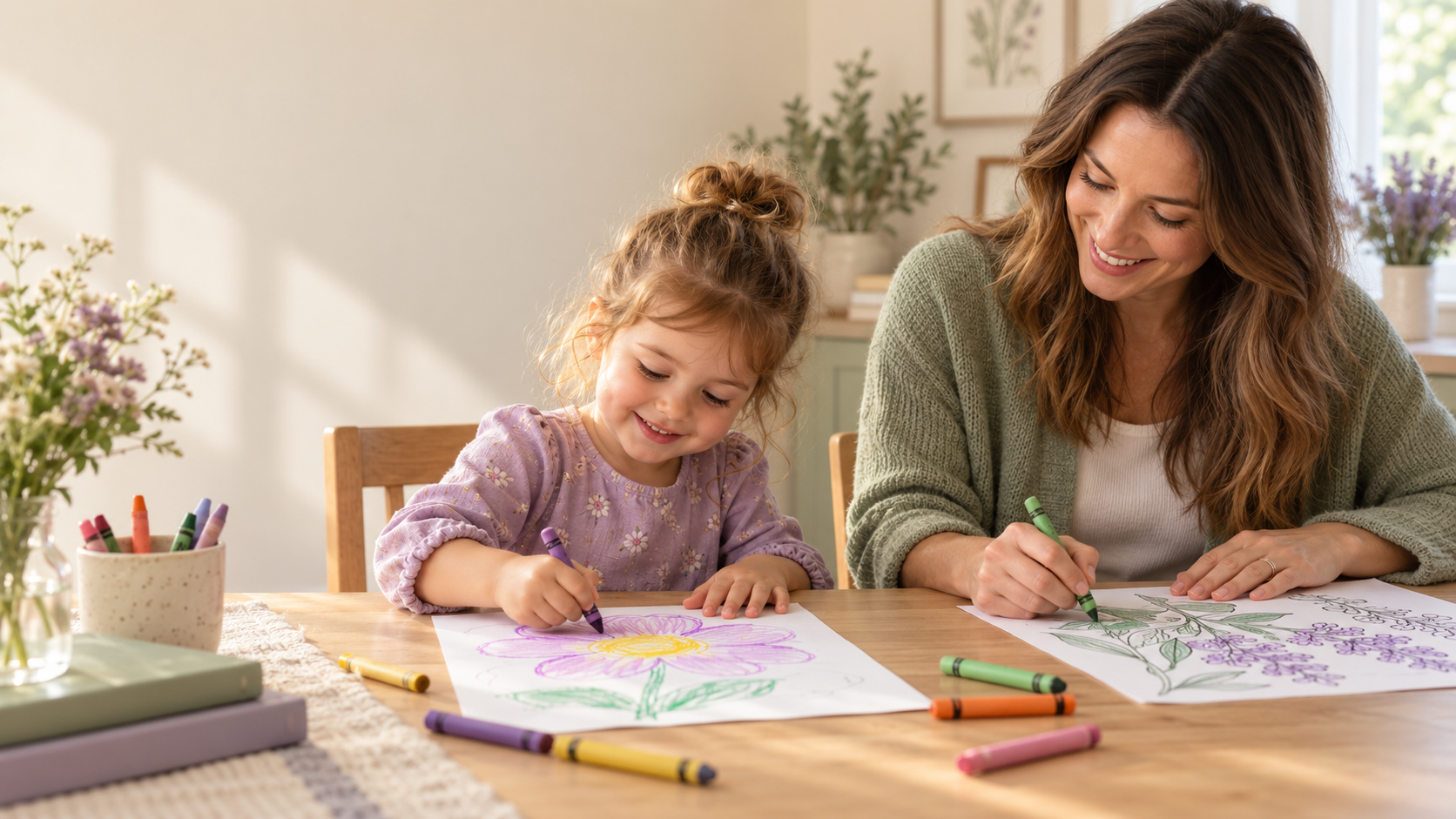
When parents and children color together, co-regulation happens naturally. A calm, focused parent sitting alongside an anxious or dysregulated child provides a powerful neurological anchor. The child’s nervous system gradually synchronizes with the parent’s calmer state — a process that is accelerated by the shared, parallel activity of coloring.
For families navigating anxiety, ADHD, emotional dysregulation, or simply the daily stress of busy modern life, a regular family coloring session can become one of the most grounding rituals in the weekly schedule.
For a complete guide to making coloring a meaningful family wellness ritual, read Coloring as a Family Bonding Activity — packed with practical ideas, age-appropriate page recommendations, and tips for making it a habit the whole family looks forward to.
What Are the Best Coloring Pages for Mental Health Benefits?
Coloring for mental health works best when the design matches your current emotional need. Here’s a simple guide:
For anxiety relief and grounding: Intricate geometric patterns and mandalas that require focused attention and provide a natural meditative anchor. The Mindful Pattern Coloring Pages collection is designed specifically for this purpose — calming, detailed patterns that draw anxious minds into a deeply present focus.
For comfort and emotional safety: Warm, cozy interior scenes that evoke feelings of safety, comfort, and belonging. The Cozy Spaces Coloring Pages collection features snug rooms, warm lighting, and domestic scenes that create an instant sense of calm and security — perfect for anxiety, overwhelm, and pre-sleep wind-down sessions.
For ADHD and focus building: Bold, clearly structured designs with engaging themes — animals, nature scenes, seasonal pages — that provide sufficient visual interest to hold the ADHD brain’s attention without overwhelming it.
For family co-regulation sessions: A mix of difficulty levels so every family member has an appropriately engaging page. Browse the full range at ColoringPages4All for instant downloads across every theme and difficulty level.
Common Questions About Coloring for Mental Health
How long should I color to feel mental health benefits? Even 10–15 minutes of focused coloring is enough to measurably reduce cortisol levels and shift the nervous system toward a calmer state. Longer sessions of 30–45 minutes deliver deeper benefits, but consistency matters more than duration — a daily 10-minute session outperforms an occasional hour-long one.
Is coloring as effective as meditation for anxiety? For many people — particularly those who find traditional meditation frustrating or inaccessible — coloring for mental health delivers comparable anxiety-reduction benefits. It activates the same neurological mechanisms as mindfulness meditation through a more concrete, accessible activity.
Can coloring replace therapy? Coloring for mental health is a powerful complementary tool, not a replacement for professional mental health support. If you are managing clinical anxiety, ADHD, depression, or other mental health conditions, coloring works best as part of a broader wellness strategy that includes appropriate professional care.
What age is coloring beneficial for mental health? Coloring for mental health benefits every age group — from toddlers developing emotional regulation and fine motor skills to older adults managing stress, cognitive decline prevention, and loneliness. There is no minimum or maximum age for the benefits of regular coloring practice.
Final Thoughts: Start Your Coloring for Mental Health Practice Today
Coloring for mental health is not a trend, a gimmick, or a childhood throwback. It is a genuinely evidence-backed, deeply accessible wellness practice that reduces anxiety, supports ADHD management, builds emotional regulation, improves sleep, and creates meaningful connection — all through the simple act of picking up a pencil and filling a design with color.
You don’t need to be artistic. You don’t need expensive supplies. You don’t need a dedicated time slot or a perfect environment.
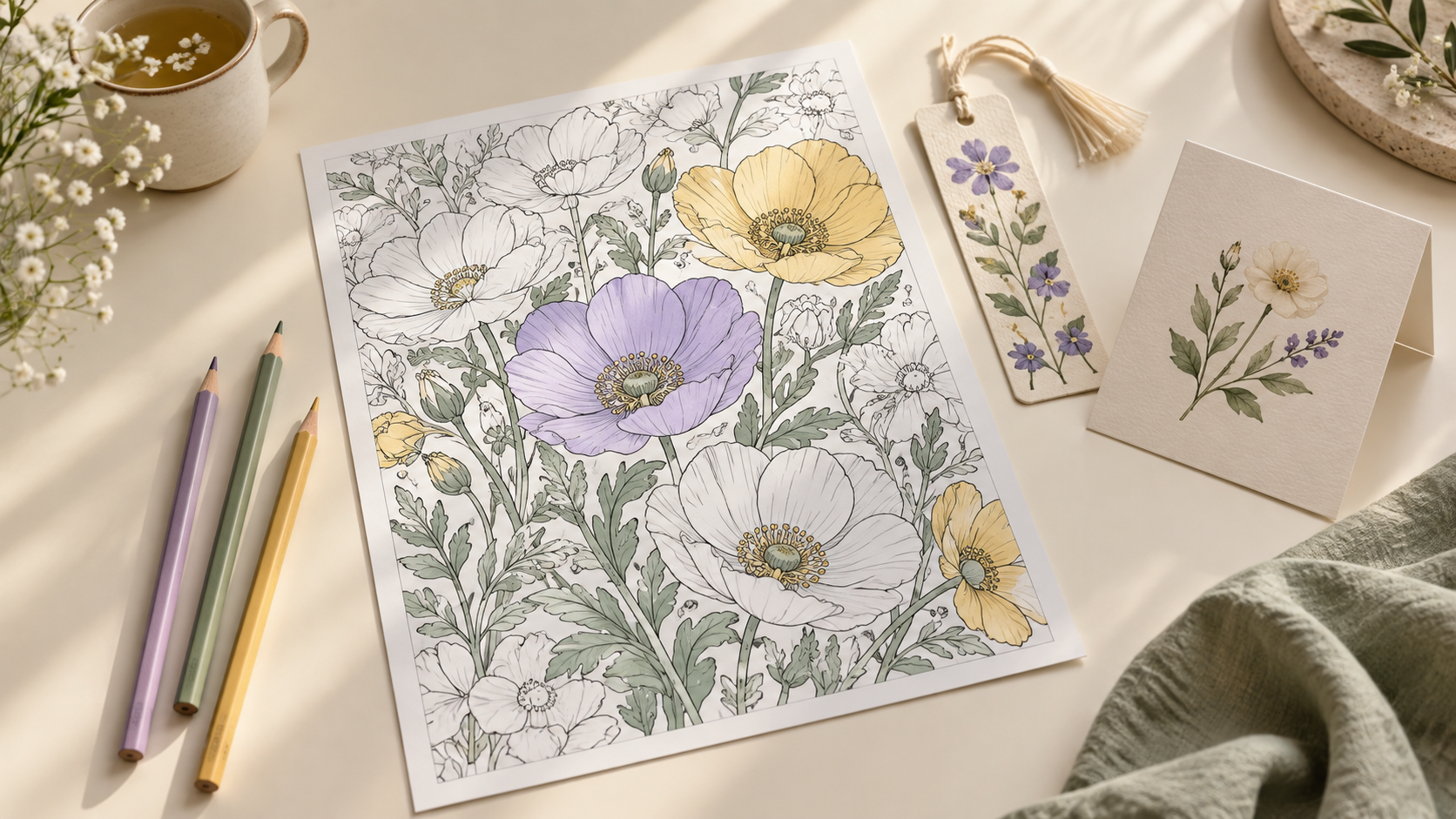
You just need a page, a few colored pencils, and the decision to begin.
Start with what feels most relevant to you right now — whether that’s a calming mandala pattern for anxiety, a cozy interior scene for evening wind-down, or a family coloring session for shared co-regulation. The benefits begin with the very first stroke.
👉 Mindful Pattern Coloring Pages — for anxiety, mindfulness, and focused calm
👉 Cozy Spaces Coloring Pages — for comfort, emotional safety, and pre-sleep wind-down
👉 Coloring as a Family Bonding Activity — for shared family wellness and co-regulation


0 Comments