


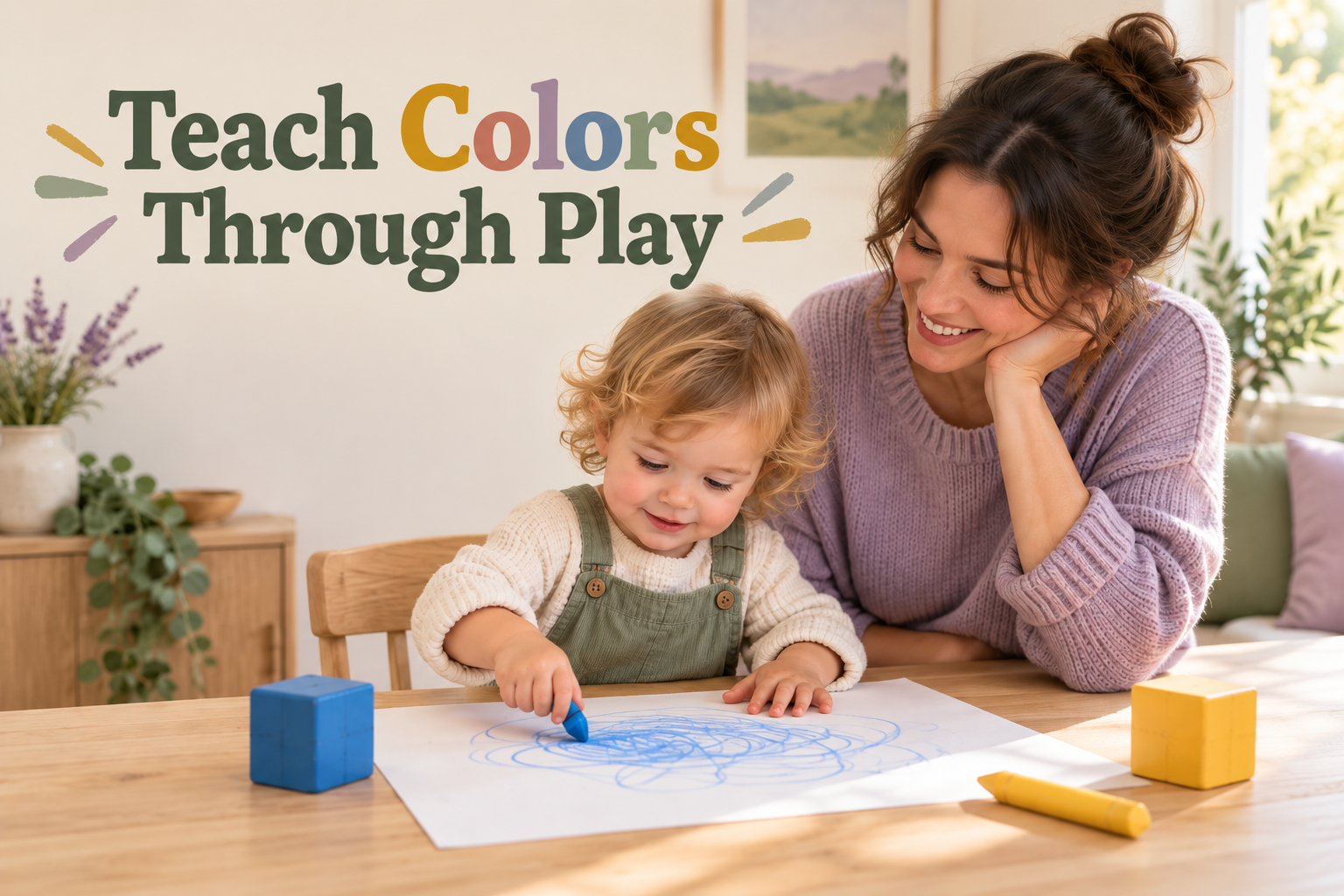
Coloring and learning for kids can begin with something as simple as a crayon, a sheet of paper, and a few minutes together. Those first marks may look like random scribbles, but they give children a chance to explore movement, notice colors, and discover that their hands can create something on a page.
Coloring and learning for kids is a fantastic way to bond and develop skills. Through this process, coloring and learning for kids not only engages their creativity but also enhances their understanding of colors and shapes.
When discussing coloring and learning for kids, it’s essential to remember that every child develops at their own pace.
Engaging in coloring and learning for kids also promotes coordination and fine motor skills.
Incorporating coloring and learning for kids during playtime enhances their ability to focus and express themselves.
Coloring and learning for kids can lead to wonderful moments of discovery and joy.
Every time you engage in coloring and learning for kids, you create opportunities for growth.
Coloring and learning for kids can also be a wonderful way to introduce numbers and letters.
As they engage more in coloring and learning for kids, they can start to recognize shapes and patterns.
Through coloring and learning for kids, children can explore their imagination and creativity.
Taking part in coloring and learning for kids activities encourages decision-making skills.
Coloring and learning for kids can help them develop a sense of accomplishment when they finish a drawing.
Coloring and learning for kids also creates a safe space for emotional expression.
Encouraging coloring and learning for kids in a group setting fosters social skills.
By incorporating coloring and learning for kids into everyday activities, parents can enhance learning opportunities.
Remember, coloring and learning for kids should always be fun and engaging.
Engaging in coloring and learning for kids activities can strengthen family bonds.
Finding new ways to incorporate coloring and learning for kids into their routine helps maintain their interest.
Each session of coloring and learning for kids presents a chance for growth and exploration.
Utilizing coloring and learning for kids as an educational tool can yield remarkable results.
Coloring and learning for kids can also include interactive storytelling to enhance comprehension.
Additionally, combining coloring and learning for kids with music can boost creativity.
Coloring and learning for kids is a multi-faceted approach to education and fun.
Integrating coloring and learning for kids into school curricula can enrich learning experiences.
Utilizing coloring and learning for kids resources can provide structured activities that are still enjoyable.
Engaging in coloring and learning for kids during outings can make experiences more memorable.
Remember that coloring and learning for kids should adapt to each child’s interests and abilities.
For parents, the questions often start just as early. When should a child begin coloring? How many colors should they know? Is a four-year-old supposed to stay inside the lines? And how can you help without turning a fun activity into another lesson?
By keeping coloring and learning for kids enjoyable, you motivate them to explore more.
Through coloring and learning for kids, you can instill a love for art and creativity.
The most useful starting point is to separate three different skills: making marks, understanding color words, and controlling a coloring tool. Children do not master all three at the same time. A child may recognize blue before saying its name, or tell an imaginative story about a picture while coloring beyond every outline.
Coloring and learning for kids should be a joyful part of their daily routine.
Fostering a love for coloring and learning for kids will pay off in their educational journey.
Helping them to engage with coloring and learning for kids makes a significant impact on their development.
A creative approach to coloring and learning for kids enriches their experiences and knowledge.
Every moment spent coloring and learning for kids builds foundational skills.
Incorporating coloring and learning for kids can be a fun part of family bonding time.
Ultimately, coloring and learning for kids should remain an enjoyable experience.
This guide answers six common questions and offers practical activities for toddlers, preschoolers, and older children. The aim is enjoyable practice, useful conversation, and creative confidence, with room for each child to develop.
Coloring and Learning for Kids: Engaging Activities
At what age should a child start coloring?
You can offer supervised opportunities to scribble during toddlerhood, choosing materials suitable for your child’s age and following their interest. The CDC’s 18-month developmental milestones include scribbling. That means early coloring does not need to involve recognizable pictures or careful filling of shapes.
Start with a large piece of plain paper and one or two age-appropriate, non-toxic crayons. Sit nearby, make a few marks yourself, and let your child explore. Stay close to prevent mouthing materials, and remove broken pieces that could become choking hazards.
There is no need to buy an elaborate activity book for this stage. A few loops, dots, or sweeping strokes provide plenty to investigate. You might say, “You made a long line,” or “That crayon leaves a red mark.” These comments connect words with what your child is doing.
What should early coloring look like?
Early coloring may be brief, messy, and unpredictable. Your child might make three marks, switch hands, push the paper away, and return later. Choose a washable surface and expect experimentation.
Avoid guiding their hand through an entire picture to produce a tidy result. Demonstrate on your own paper instead. Their page belongs to them, and the experience is more useful when they get to make the movements and choices.
As interest grows, introduce a page with one large, familiar object: a ball, apple, leaf, or simple animal. Broad open spaces are easier to explore than a crowded scene filled with tiny details.
Follow the child’s interest, not the finished page
Offer coloring as an invitation. “Would you like to try the crayons?” leaves room for a yes or a no. If your child prefers building, movement, or pretend play today, you can offer art again another time.
Younger children do not need to complete a sheet. Keeping an unfinished page available can be more welcoming than announcing that every white space must be filled before they can stop.
For more printable options as your child becomes interested, browse our guide to free printable coloring pages for kids. Choose the simplest designs first and keep blank paper nearby too.
What are the 10 basic colors that kids can learn?
A practical starter set is red, blue, yellow, green, orange, purple, pink, brown, black, and white. This is a useful teaching selection, rather than a universal list that every child must learn in the same order. Gray is another helpful everyday color you can introduce whenever it comes up.
Connect each color with something your child can see or hold. A real object, a matching crayon, and a simple picture give you several ways to repeat the same word naturally.
| Color | Familiar example | Simple coloring invitation |
|---|---|---|
| Red | A strawberry | Add red dots to a large strawberry shape. |
| Blue | A blue cup | Find the crayon that matches the cup. |
| Yellow | A banana | Color a banana and name the color together. |
| Green | A leaf | Compare a green crayon with a real leaf. |
| Orange | An orange fruit | Color a large circle orange. |
| Purple | A purple sock | Match a crayon to the sock before coloring. |
| Pink | A pink toy | Use pink somewhere in a playful picture. |
| Brown | A tree trunk | Add a brown trunk under a leafy shape. |
| Black | A black shoe | Look for black outlines on the page. |
| White | A sheet of paper | Try a white crayon on dark paper. |

Start with two clearly different colors instead of presenting the whole set as a quiz. Blue and yellow, for example, give you an easy contrast. Use the words during play: “I have the yellow crayon. You chose blue.”
Once those become familiar, add another color. Your child does not have to pass a test before you mention new words; the idea is simply to avoid overwhelming them with too many choices at once.
Objects are examples, not rules. Apples can be several colors, and a pretend apple can be purple. You can discuss real-world colors while still allowing imaginative choices. Try, “The apple in our kitchen is green. What color will your pretend apple be?”
At what age should a child learn their colors?
Color learning develops in steps. Seeing a difference between two colors, matching them, pointing to a named color, and saying its name are different tasks.
The CDC’s 30-month milestones include showing knowledge of at least one color, such as pointing to a red crayon when asked. Its four-year milestones include naming a few colors. Neither means that every toddler should name all ten colors or that a four-year-old needs a perfect score on a color quiz.
These checklists provide developmental reference points; they are not a home examination or a diagnosis. If you have concerns about your child’s development, discuss them with their healthcare professional.
Notice what your child understands
Imagine that your child cannot answer, “What color is this?” but can give you the blue crayon when you request it. That tells you something useful: recognizing a word may be easier for them than retrieving and saying it.
You can make the activity gentler by offering choices. “Would you like red or yellow?” introduces vocabulary without requiring a correct answer. Follow their selection by naming it: “Yellow. Here you go.”
Matching also works well. Put a green crayon beside a green block and invite your child to find another match. Use large, age-appropriate objects and keep the number of items manageable.
Use everyday moments
Color words fit naturally into getting dressed, preparing snacks, reading books, and tidying toys. You do not need a separate lesson every time.
During coloring, repeat one useful phrase and then let the activity continue. Too many questions can make a pleasant session feel like an interview. Balance conversation with quiet time and listen when your child changes the subject.
If your family uses more than one language, you can use the color words that fit your normal conversations. Let the activity remain familiar and connected to real life rather than turning every crayon choice into a translation exercise.
What do children learn from coloring?
Coloring offers opportunities to practice hand movements, make choices, describe pictures, and explore ideas. What a child takes from it depends on the materials, the activity, their interests, and the conversation around them. A coloring page alone does not guarantee better attention, handwriting, or school performance.
The American Academy of Pediatrics includes crayons, drawing, and other creative activities in its discussion of preschool hand and finger skills. Coloring works best as one option within varied play.
Practice controlling a tool
Making a mark involves moving a tool across a surface. Your child can experiment with stopping, starting, changing direction, and pressing more or less firmly. Some days the discovery may simply be that light pressure makes a faint mark and firmer pressure makes a stronger one.
Coordinate looking and moving
A child who tries to put a blue mark inside a large circle is connecting what they see with where they move their hand. That attempt matters even if the mark crosses the edge. You can make the task easier by choosing larger shapes or enlarging a printable.
Explore vocabulary
Pictures provide things to talk about. An animal page might lead to words such as tail, wing, feather, nest, or pond. Describe one feature, ask an occasional open question, and leave room for the child’s response.
Coloring and learning for kids can weave academic concepts into practical activities.
Finding ways for coloring and learning for kids to explore their creativity can lead to new interests.
Our guide to animal coloring pages for kids offers a related starting point for choosing animal themes. Pair a page with a picture book or a real-world observation to extend the conversation.
Make decisions and tell stories
Choosing a color, deciding where to begin, or adding a background gives children ownership. A green rabbit with a pink house may have an excellent story behind it. “Tell me about your rabbit” invites more imagination than correcting the color.
Explore early number and shape ideas
You can count three large stars, look for round shapes, or compare a big leaf with a small one. These are activities you add through conversation; children do not need to learn every concept from every page.
Enjoy shared attention
Sitting together with separate pictures can make space for conversation without constant direct questioning. Our guide to coloring as a family bonding activity explores this shared-time approach. Keep the atmosphere relaxed and allow different family members to enjoy different designs.
Should a four-year-old be coloring inside the lines?
Some four-year-olds can color within broad outlines for parts of a picture; others still make sweeping marks or move beyond the edges. Perfectly neat coloring is not a useful stand-alone measure of development.
The CDC’s four-year checklist includes holding a crayon or pencil between the fingers and thumb rather than in a fist. It does not list perfect coloring inside the lines as a milestone. Look at the wider picture of your child’s skills rather than judging a single worksheet.
A busy picture with tiny flowers asks for more control than a large balloon. Interest also matters. A child may carefully color one favorite character and rush through a page they did not choose.

Help without turning the outline into a rule
If your child wants to color more neatly, choose one large section. Demonstrate a few short strokes on your own page and show how you slow down near an edge. Then let them try.
You might say, “I am making smaller marks near this line.” Avoid comments such as, “You went wrong again,” or comparisons with a sibling’s picture. The aim is to show a technique they can use when they want it.
Leave space for free drawing too. Following a printed outline and inventing a picture are different experiences, and both deserve a place at the table.
If you notice loss of skills, persistent pain, or broader concerns about how your child uses their hands or sees the page, talk with their healthcare professional. A messy picture by itself cannot explain what is happening.
How can you improve a child’s coloring skills?
Make the task comfortable, interesting, and manageable. More complicated worksheets are not automatically better practice. These small adjustments can help you discover what works for your child.
1. Choose a picture they care about
Offer two or three themes and let your child choose. A favorite animal, vehicle, flower, or imaginary creature gives them a reason to engage. You can revisit the same theme without making every session identical.
2. Match the detail to the child
Look for bold outlines, large spaces, and a clear main object when a child is beginning. Save crowded backgrounds and tiny decorative patterns for children who enjoy that level of detail. If a page seems frustrating, enlarge it or choose something simpler.
3. Make the setup comfortable
Provide a stable work surface and a comfortable place to sit or stand. Keep the paper within easy reach. A slipping sheet can be frustrating, so try a clipboard or removable tape when appropriate. Let the child reposition the page as needed.
4. Try suitable tools
Choose art materials labeled for your child’s age. Crayons, washable markers, and colored pencils feel different on paper. Offer a small selection and see which tool your child can use comfortably. An expensive set is unnecessary for enjoyable practice.
5. Demonstrate one technique at a time
Show short strokes, light pressure, or changing direction on your own sheet. Avoid delivering five instructions while the child is trying to make one mark. One clear demonstration is easier to explore, and they may choose to copy it later.
6. Keep practice flexible
Begin with a brief invitation and continue while your child is interested. There is no required coloring duration. End before frustration takes over, or offer a break and return later. Leaving the crayons accessible at appropriate times can make practice feel more natural.
7. Notice specific efforts
Comments such as, “You tried two different blues,” or “You came back to finish that leaf,” show that you noticed a decision or effort. There is no need to judge every picture. Sometimes, “Would you like to tell me about it?” is enough.
8. Include other kinds of play
Building, age-appropriate dough play, painting, and other hands-on activities offer variety. Coloring should sit alongside movement, stories, outdoor play, and social time. If your child dislikes crayons, another creative activity may be a better invitation today.
Six easy coloring and learning activities to try
These activities use ordinary supplies and can be adapted to different interests. Choose one idea at a time, and simplify it whenever needed.
Color hunt and match
Choose one crayon and look around the room for something similar in color. Return to the page and make a matching mark. With a younger child, point out the match yourself. An older child might enjoy finding several different shades.
Color and count
Draw three large circles or use a page containing a few clear objects. Touch and count them together, then let your child color any they choose. Keep the counting small and concrete instead of asking them to manage a crowded page.
A picture and a story
Invite your child to color an animal and decide where it lives. Ask, “What happens next?” Write down their words if they want you to. The story can be one sentence; it does not need a lesson, a correct ending, or realistic colors.
One color, many marks
Offer one crayon and blank paper. Try dots, long lines, loops, and gentle zigzags together. Notice how changing the movement changes the mark. This is useful when your child enjoys experimenting more than filling a printed picture.
Make a repeating pattern
For a child who enjoys patterns, draw a row of large circles. Begin red, blue, red, blue, then invite them to continue. If they prefer a different arrangement, let them explain it. You can model your repeating pattern on a separate row.
Create a page together
Use a large sheet so everyone has enough room. One person might add a sun, another a tree, and another a pretend creature. Ask before coloring someone else’s drawing. This keeps shared art collaborative while respecting each person’s choices.

Choosing printable coloring pages for different stages
The best page is one your child can enjoy using now. Age labels can help you browse, but inspect the actual illustration: how large are the spaces, how much detail is there, and does the subject interest your child?
For an early scribbler, plain paper may be the most inviting option. For a child exploring outlines, try one large object. For a child who enjoys controlled coloring, choose a scene with a mix of large and smaller sections.
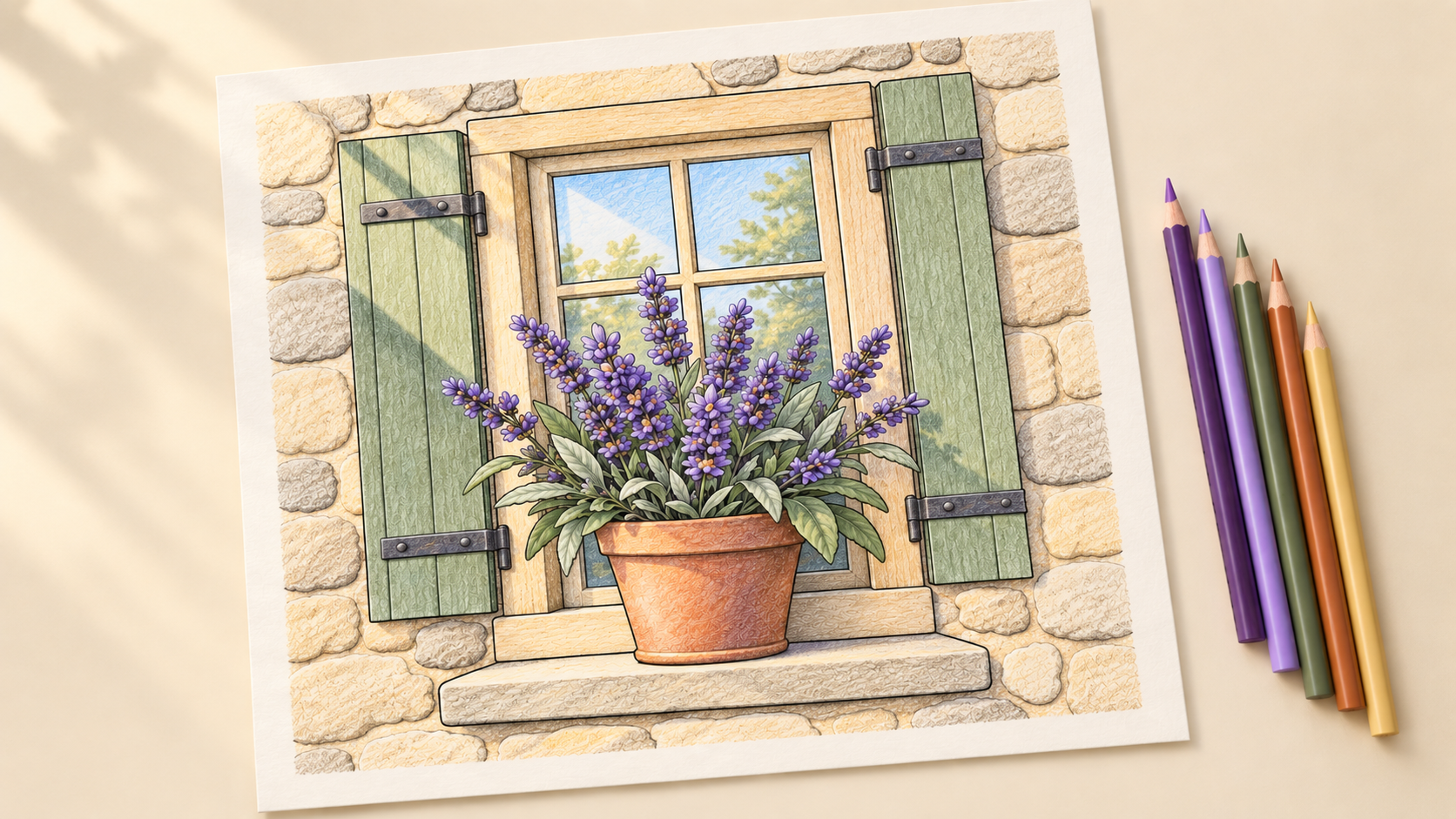
Older children may enjoy inventing color schemes, repeating patterns, or adding their own backgrounds. Offer challenges as options rather than requirements. A six-year-old can still enjoy a simple picture, and an experienced child may want a detailed design one day and free drawing the next.
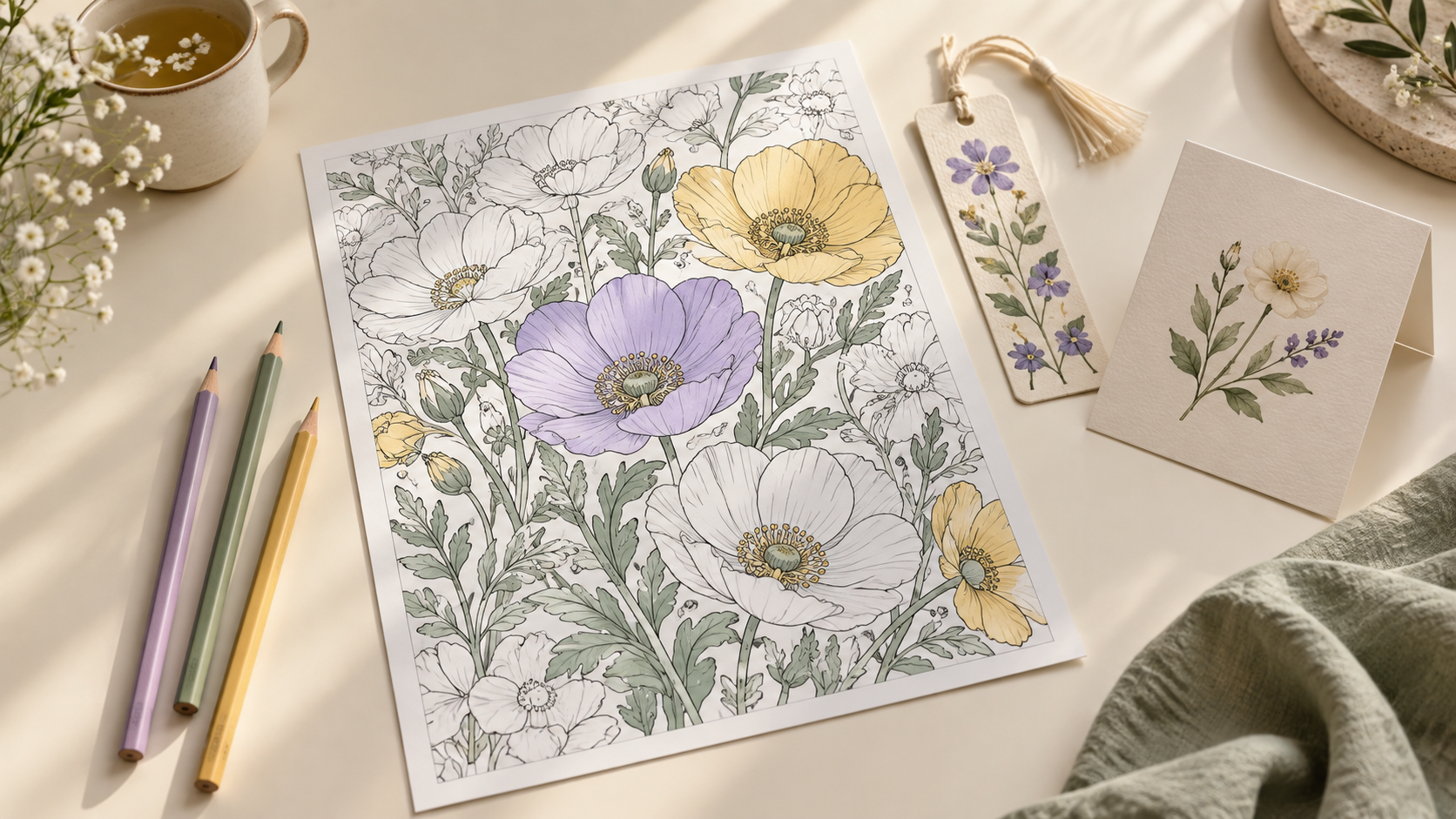
Print one test page before using a large amount of ink or paper. Check that the outlines are clear and the design fits the sheet. A slightly enlarged picture may be easier to use than several small images printed together.
A playful printable option for children aged six and up
For older children who enjoy fantasy themes, explore our Cute Kawaii Unicorn Coloring Pages: 192 Printable Designs. The collection is listed for ages six and up and includes printable PDF designs with unicorns and whimsical scenes.
Choose a page together, then add one optional activity: invent a name for the unicorn, describe its home, or repeat two colors in its mane. Look at the previews to decide which designs suit your child. Younger beginners will usually find plain paper or larger, simpler shapes more manageable.

Make the next coloring session simple
You do not need to teach ten colors, finish a whole page, and practice neat outlines in one sitting. Start with one picture or blank sheet, a few suitable crayons, and one small invitation.
Maybe today you will name blue. Tomorrow you might count two flowers. Another day, your child may simply enjoy covering the paper with purple loops while telling you about a pretend dragon.
Those sessions can all belong in a playful routine. Notice curiosity, allow choices, and adjust the activity to the child in front of you. A welcoming experience gives them a reason to pick up the crayons again.
What does your child enjoy most: animals, unicorns, vehicles, or making up their own pictures? Share their favourite colouring theme in the comments.


0 Comments